
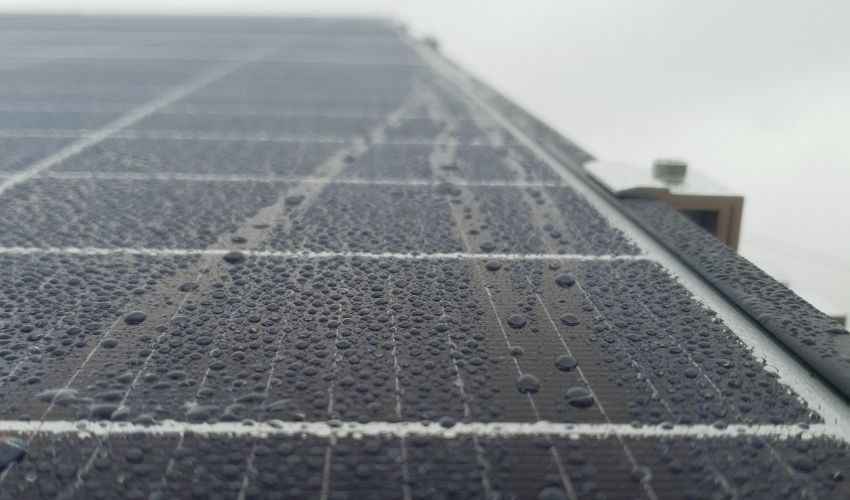
Solar panels have become a popular choice for Australian homeowners looking to cut their power bills and reduce their carbon footprint. But our weather can be brutal; we get cyclones up north, heatwaves across the country, flooding in some regions, and hailstorms that can appear out of nowhere. Today we’re looking at what you need to know about protecting your solar panels when hail strikes, and what to do if your system is damaged in a hail storm.
Can Solar Panels Withstand Hail?
Solar panels are built to be tough; they certainly have to be, sitting on your roof year-round exposed to everything the elements throw at them for years. But how well they handle hailstorms comes down to a few key factors: the quality and thickness of the glass covering the cells, the materials used in construction, and of course, the size and angle of the hailstones themselves.
Not all solar panels are created equal. Different manufacturers use completely different components, ranging from thinner to thicker glass, double glass construction, plastic components, and various other manufacturing approaches. All of these variations affect how the panels stand up to weather conditions, particularly impact from hail.
If you’re in an area prone to hailstorms (and as you know, hail can hit pretty much anywhere in Australia), it’s worth investing in panels with a higher hail rating from the start. It might cost a little more upfront, but it’s cheaper than dealing with damaged panels later.
The Problem with Microcracks
After a hailstorm, the main concern isn’t always obvious damage you can see, it’s microcracks in the panels. These are tiny, hairline cracks that develop on the surface of the solar cells from the impact of hailstones. The tricky thing about microcracks is that they’re often completely invisible to the naked eye, at least initially.
The frustrating part is that even though you can’t see them, microcracks affect how your panels work. Over time, they reduce the efficiency of your solar system. That means less energy production, which translates directly to less savings on your power bill. If the damage gets worse, you’re looking at repair costs or even full panel replacement.
This is why it’s important to consider having your panels assessed after a hailstorm, even if everything looks fine from the ground.
Understanding Solar Panel Hail Ratings
When you’re shopping for solar panels, you’ll see manufacturers provide a hail rating for their products. This rating is expressed in millimeters and tells you the maximum size of hailstones the panels can withstand without sustaining significant damage.
If a panel has a hail rating of 25mm, that means it’s been tested and certified to handle hailstones up to 25mm in diameter without breaking or cracking. Some higher-end panels may have ratings of 35mm or even higher.
This rating matters more than you might think. For one, it gives you peace of mind knowing your panels can handle typical hail conditions in your area. But here’s the critical part: it also directly affects warranty claims. Panels with higher hail ratings are significantly more likely to have warranty claims approved if damage does occur. If your panels get damaged by hail that’s within the rated size, you’ve got solid grounds for a claim.
When you’re choosing panels for your home, especially if you’re in regions like Toowoomba or areas of Queensland and NSW that see regular hailstorms, pay close attention to this rating. It’s not just marketing fluff, it’s actual data about how much punishment your panels can take and how protected you’ll be if you experience a severe hailstorm.
Quality Panels Beat Bolted-On Protection
You might come across companies selling hail guards, protective shields, or special hail-resistant mounting systems for solar panels. While these products do exist, they come with some serious downsides:
- Don’t climb on your roof to inspect them yourself. It’s dangerous, and you’re unlikely to spot microcracks. Our team can assist by using thermal imaging to identify risk areas if you have concerns.
- Document everything. Take photos from the ground showing the general condition of your roof and panels after the storm. Your insurer will want this documentation.
- They’re expensive – Adding protective hardware can significantly bump up the upfront cost of your solar installation.
- They can reduce efficiency – Some of these systems actually block light or create shade on your panels, which defeats the whole purpose of having solar in the first place.
- The cost-benefit doesn’t stack up – In areas where hail only happens occasionally, you’re spending a lot of money to protect against something that might never cause significant damage.
Here’s what we’ve learned after years of installing and maintaining solar systems: the best protection against hail damage is starting with quality panels in the first place. Good panels with solid construction, proper certifications, and high hail ratings will outlast cheap panels with add-on protection every time.
Our team has dealt with plenty of hail damage over the years, and we’ve replaced systems from a range of manufacturers. We’ve seen which brands and models hold up to Australian conditions and which ones don’t. We can help you choose panels that have a proven track record, including standing up to the kind of weather we get in Southern Queensland. By choosing quality panels from the start, you’re not just reducing the risk of hail damage; you’re reducing the risk of all kinds of damage while increasing the ROI and life of your system.
Good panels mean less downtime; your system isn’t sitting offline for weeks (or longer) while you wait for assessments, approvals, and replacement parts to arrive. Every day your system is offline is money you’re losing on your electricity bill.
Insurance Coverage: Start Here
This is the most important part of this entire post, so pay attention: contact your home insurance company before you install solar panels, or right now if they’re already installed.
In Australia, solar panels are usually considered a permanent fixture of your home, which means they need to be declared to your home insurer. If you don’t declare them and you need to make a claim for hail damage (or fire, storm damage, or any other covered event), you might find your claim reduced or denied because you didn’t inform your insurer about a significant change to your property.
Different insurance policies handle solar panels differently. Some include them automatically as part of your building cover. Others might require you to increase your sum insured to account for the added value. Some policies have specific exclusions or limits on solar equipment.
Here’s are some questions you may consider to asking your insurer:
- Are solar panels covered under my current policy?
- Do I need to increase my building sum insured?
- What types of damages are covered (hail, storm, fire, etc.)?
- Are the panels, the inverter, and the battery covered?
- Is there a specific excess that applies to solar equipment?
- What’s the claims process if I need to make a claim?
Don’t assume you’re covered just because you’ve got home insurance. Make the call, have it confirmed in writing if possible, and make sure you understand exactly what’s covered and what’s not. If you’re unsure, speak to an insurance broker or qualified professional for advice on your situation.
Your solar panel manufacturer’s warranty is also worth checking. Most quality panels come with performance warranties of 25 years and product warranties of 10-15 years. Read the fine print to understand what’s covered, including whether hail damage is explicitly mentioned and what the hail rating threshold is.
What To Do After a Hailstorm
If you’ve just been through a hailstorm and you’re worried about your panels, here’s what to do:
- Turn off your solar system. If you suspect damage, particularly cracks or broken glass, isolate your system. Cracked panels can potentially create electrical hazards.
- Document everything. Take photos from the ground showing the general condition of your roof and panels after the storm. Your insurer will want this documentation.
- Contact your insurer. Let them know you’ve had potential hail damage. They’ll guide you through their claims process and what you’ll need from a solar company to ensure your claim meets insurance requirements.
- Don’t climb on your roof to inspect them yourself. It’s dangerous, and you’re unlikely to spot microcracks. Our team can assist by using thermal imaging to identify risk areas if you have concerns.
- Call a professional. Contact your solar installer or a qualified solar technician (like our electricians at Proven Energy) to come out and do a proper assessment and quote. We’ve got the equipment and experience to check for both obvious damage and hidden issues like microcracks.
The assessment costs can vary. Sometimes it’s a simple visual check that doesn’t take long. Other times, if there’s suspected damage, we might need to do more detailed testing, which can include thermal imaging to identify microcracks or hot spots that indicate damage.
Whether you’re paying for this yourself or it’s covered by insurance or warranty depends on your specific situation. If there’s obvious damage from a rated hail event, insurance typically covers it (minus your excess). If it’s warranty work, the manufacturer may cover parts but not necessarily labour. And if it’s just a precautionary check-up with no damage found, that may be an out-of-pocket expense.
Regular Maintenance Matters Too
While we’re talking about protecting your solar investment, it’s worth mentioning that hail isn’t the only thing that can impact your system’s performance.
Solar panels need regular cleaning and maintenance to work efficiently. Bird droppings, dust, leaves, pollen; all of this builds up over time and reduces how much sunlight reaches your cells. If trees are overhanging your roof or there are many birds in the area, your system will need cleaning more often.
Some components also have a limited lifespan regardless of weather damage. Inverters typically last 10-15 years and solar panels can last up to 25 years, but other electrical components in the system need attention every five years. Severe weather conditions can cause damage that isn’t immediately obvious. And panels can get dirty quickly, particularly if you’ve got birds nesting nearby or trees dropping leaves and sap.
The point is: don’t just install solar and forget about it. Regular check-ups catch small issues before they become expensive problems. And if you’re ever unsure about whether your system is performing as it should, get it inspected by a professional. A drop in performance might be due to dirty panels, or it might be a sign of damage or component failure. It’s better to find out early than watch your power bill creep back up while your system sits on your roof, underperforming.
Get In Touch
If you’re in Southern Queensland and you want to talk about solar panel options that’ll stand up to our weather, or if you need an assessment after a hailstorm, give us a call. We’ve been working with solar and electrical since 2012, and we’ve seen just about every weather condition Queensland can throw at a solar panel.